


Choosing a gambling jurisdiction is not simply a question of finding the lowest licence fee. A serious operator needs a legal basis for accepting wagers, a corporate structure that can open payment accounts, controls that protect players, and a documented answer when a bank, platform supplier or advertising partner asks where the business is regulated. The correct analysis starts with the activity: sports betting, casino games, poker, bingo, lottery products, live dealer content, peer-to-peer exchange services and B2B platform technology can all receive different treatment.
MGA · Gaming Act and MGA B2C/B2B authorisations
Gambling License in Malta
A regulator-ready route for sportsbooks, casinos, platform providers and digital gaming founders. Licensium aligns your Malta structure, application dossier, AML/CFT controls, player protection, technical evidence and banking strategy into one managed execution plan.
MGA
Regulatory framework
8–12 months
Indicative approval window
€100,000–240,000 depending on class
Indicative capital evidence
£140k–240k
Estimated setup range
AML/CFT
Core compliance standard
Regulatory briefing
The Regulatory Question Behind Every Online Gambling Launch
The jurisdiction in this guide should therefore be read as an operating framework, not as a promise that one certificate authorises worldwide activity. A licence or permit normally defines the products a company may offer, the customers it may serve and the controls it must maintain. Target markets still have their own blocking, advertising, consumer-protection and tax rules. Licensium maps those boundaries before filing, then prepares a structure in which the licensed entity, technology provider, payment flow and responsible-gambling program tell one consistent story to the regulator and to counterparties.
The modern application file is much broader than an incorporation certificate. Regulators and serious banking partners expect a clear ownership chart, source-of-wealth evidence, personal disclosures for directors and beneficial owners, a realistic business plan, an explanation of the platform and game suppliers, independent testing where relevant, player-fund arrangements, complaints handling, age and identity verification, sanctions screening and a named compliance team. Crypto settlement adds blockchain wallet screening, travel-rule analysis, stablecoin controls and a documented approach to self-hosted wallets.
This is why a professionally prepared dossier saves more time than a cheap form-filling service. A weak application creates circular questions: the regulator asks how a policy will work, the operator points to a vendor, the vendor points back to the operator, and the bank waits for evidence that neither side has yet produced. Our approach joins the commercial model to the compliance architecture at the start, so every policy, flow chart and forecast can be tested against the actual product before submission.
The guide below provides an informed 2026 planning baseline. Fees, tax rates, capital expectations and regulatory interpretations can change, and a local legal opinion is required before launch. Figures are indicative, not an official quotation. The practical objective is to help a founder compare credibility, speed, market fit, substance and total cost rather than choosing a jurisdiction from a headline licence price alone.
A useful way to read the tables is to separate entry cost from operating cost. The entry layer covers incorporation, legal analysis, application work, certified documents, testing and the first payment conversations. The operating layer covers local people, annual fees, audit, monitoring technology, customer-support controls, staff training, renewals and the time required for management to review alerts and complaints. A business that can afford the first layer but not the second is not yet ready to launch responsibly. We model both layers so the board can approve a realistic runway instead of treating compliance as an unexpected expense after approval.
The same discipline applies to marketing and growth. Affiliates, influencers, acquisition partners and white-label suppliers can create regulatory exposure even when they are not part of the licensed entity. Contracts should allocate responsibility for advertising claims, age restrictions, customer data, complaints, bonuses, chargebacks and blocked territories. Product changes should pass through a change-control process: adding a new game, token, payment rail or market can alter the risk rating and may require regulator notification or approval. A controlled governance process protects the licence while giving the commercial team a clear route to innovate.
Activities Covered by the MGA Analysis
- Remote sports betting and fixed-odds wagering, subject to the local licence class
- Online casino, live-dealer and RNG products where the framework permits them
- Poker, bingo, lottery and peer-to-peer products where expressly authorised
- B2B platform, software, hosting and game-supplier arrangements
- Fiat, card and stablecoin settlement with documented source-of-funds controls
- Responsible-gambling, age-verification and player-complaints operations
Need a jurisdiction-specific feasibility review before you commit capital?
Request a Free Feasibility CheckJurisdiction Advantage
Why Malta Can Fit a Serious Gaming Strategy
Malta offers one of Europe’s most recognisable gaming frameworks, with B2C and B2B authorisations, detailed technical standards and a mature compliance ecosystem. It is not the cheapest route, but the MGA profile can materially support institutional partnerships when the operator is prepared for deeper scrutiny, capital and ongoing reporting. Each market has a different balance of credibility, speed, tax, substance and permitted products. We translate that balance into a launch plan, rather than treating every gaming business as identical.
A Defined Legal Perimeter
We identify the exact activity, licence class and customer geography first. That prevents a sportsbook, casino and B2B platform from being forced into one inaccurate description.
Regulator-Ready Substance
The corporate structure, local appointments, office arrangements and operational responsibilities are designed to withstand practical questions, not merely satisfy a registration checklist.
AML/CFT That Fits Gaming
KYC, sanctions screening, source-of-funds review, wallet analytics and transaction monitoring are connected to real player journeys, thresholds and escalation decisions.
Banking and Payments in Parallel
Payment strategy begins before licence grant. We prepare the evidence pack that banks, EMIs, acquirers and crypto processors expect from a gaming merchant.
Player Protection as an Operating System
Self-exclusion, deposit limits, reality checks, complaints handling and vulnerable-player escalation are documented as live processes with ownership and audit trails.
A Scalable Compliance Calendar
The launch plan includes renewals, testing, regulatory returns, AML reviews, staff training and change management so compliance does not collapse after go-live.
Regulatory Checklist
What a MGA Application and Operating File Must Demonstrate
The following checklist is the practical preparation standard we use before a regulator, testing lab, payment institution or institutional partner reviews the project.
Ownership, Directors & Local Presence
- Full group chart showing shareholders, beneficial owners, controllers, directors and service providers
- Certified identity, address, source-of-wealth and fit-and-proper evidence for every relevant individual
- Registered office, local representative or resident compliance function where the framework requires it
- Board resolutions, shareholder agreements and a clear allocation of operational responsibility
Licence Application Dossier
- Product description covering games, betting markets, odds, player journey and restricted territories
- Three-year business plan, financial forecasts, ownership funding and projected gross gaming revenue
- Platform, hosting, game supplier, RNG and data-security documentation suitable for review
- Regulatory forms, declarations and a controlled response process for follow-up questions
AML/CFT, KYC & Sanctions
- Business-wide risk assessment covering products, jurisdictions, payment rails, crypto exposure and distribution partners
- Customer identification, enhanced due diligence, source-of-funds and suspicious-activity escalation procedures
- Sanctions, PEP, adverse-media and blockchain wallet screening with documented alert handling
- MLRO appointment, training records, independent testing and a board-level compliance report cycle
Technical, Game & Player Controls
- Independent RNG, game-math, platform or smart-contract testing where required by the authority
- Age and identity verification, geolocation or IP controls, responsible-gaming limits and self-exclusion
- Player-fund segregation, reconciliation, withdrawal controls and complaints or dispute procedures
- Incident response, penetration testing, business continuity and data-retention controls
Ongoing Reporting & Governance
- Annual returns, licence fees, gaming-duty or tax filings and regulator correspondence managed to a calendar
- Change-of-control, key-person, product and supplier approvals assessed before implementation
- Regular AML review, staff refreshers, compliance monitoring and evidence preservation
- Renewal preparation with a gap analysis, updated policies and management sign-off
Step-by-Step
A Managed Malta Licensing and Launch Roadmap
A controlled sequence reduces rework. Each stage produces evidence for the next one and creates a clear decision point before the business commits to the following cost layer.
Commercial & Jurisdiction Fit
1–2 weeksWe map products, target markets, settlement assets, marketing plans and ownership against the legal perimeter, then issue a written recommendation.
Corporate and Substance Setup
2–4 weeksWe form or reorganise the operating entity, prepare governance documents, appoint required local roles and build the evidence trail for ownership and funding.
Compliance and Technical Dossier
4–8 weeksWe draft AML/CFT, responsible-gaming, KYC, complaints, security and business-continuity controls around the actual platform and player journey.
Submission and Regulatory Dialogue
2–6 monthsWe file the application, coordinate certified documents and manage clarifications, interviews, testing and any request for additional evidence.
Banking, Payments and Pre-Launch
4–8 weeksWe prepare payment onboarding, player-fund segregation, merchant descriptions, wallet controls and a launch-readiness review.
Launch and Continuous Compliance
OngoingWe maintain the renewal calendar, monitor regulatory changes, coordinate reviews and help management evidence that controls work in practice.
Budgeting
Indicative Malta Gaming Setup Costs
A realistic budget should include official fees, legal preparation, local substance, technology testing, AML tooling, payment onboarding and the first year of governance. For Malta, the current planning range is £140k–240k; confirm the final scope and authority schedule before committing.
Each slice represents the average estimated budget allocation (£ thousands) with full range detail on hover/tap.
| Budget Item | Est. Range (GBP) | Frequency |
|---|---|---|
|
Regulatory application, permits and official fees
Indicative government or regulator costs for the MGA route; confirm the current schedule.
|
£8k – £38k | One-off |
|
Legal structuring and application dossier
Corporate structuring, policy drafting, certified documents and regulator correspondence.
|
£15k – £53k | One-off |
|
Local substance, key people and governance
Registered office, local roles, compliance support and annual governance arrangements.
|
£12k – £48k | Annual |
|
RNG, platform and security testing
Independent testing, platform review and technical evidence where required.
|
£6k – £30k | One-off |
|
AML/CFT, KYC and payment onboarding
Screening tools, monitoring, policy implementation and bank or EMI onboarding support.
|
£10k – £38k | Annual |
Swipe sideways on mobile to see the full breakdown.
These figures are indicative planning estimates in GBP-equivalent thousands, not official tariffs or a quote. Exchange rates, product scope, target markets, group complexity and regulator requests can materially change the total.
Benchmarking
Malta Compared With Other Gambling Jurisdictions
Use this table as a first screening tool. The cheapest route is not automatically the most bankable, and the fastest route is not automatically suitable for every target market.
| Jurisdiction | Regulator / authority | Capital evidence | Avg. timeline | Tax / duty note | Est. setup |
|---|---|---|---|---|---|
 Anjouan
|
Anjouan Offshore Finance Authority (OFA) | €0–15k | 3–4 weeks | Confirm current treatment | £15k–35k |
 Alderney
|
Alderney Gambling Control Commission (AGCC) | £50,000+ | 4–8 months | Fixed duties | £70k–120k |
 Curaçao
|
Curaçao Gaming Control Board (GCB) | €15k–35k | 2–4 months | Confirm LOK treatment | £30k–75k |
 Tobique
|
Tobique Gaming Commission (TGC) | €10k–20k | 4–6 weeks | Confirm current treatment | £25k–50k |
 Costa Rica
|
Activity-specific framework | Varies | 2–4 months* | Activity dependent | £25k–60k |
|
Kahnawake
|
Kahnawake Gaming Commission (KGC) | CAD 50k+ | 3–6 months | Permit schedule | £55k–110k |
 El Salvador
|
Local / activity-specific authorities | Model dependent | 3–6 months* | Local taxes | £35k–90k |
 Cyprus
|
National Betting Authority | €500k+ evidence | 4–8 months | Betting tax + fees | £120k–220k |
 Malta
Malta
|
Malta Gaming Authority (MGA) | €100k–240k | 8–12 months | Gaming tax + fees | £140k–240k |
 Isle of Man
|
Gambling Supervision Commission (GSC) | £120,000+ | 6–9 months | Sliding gaming duty | £120k–200k |
 Philippines
|
PAGCOR | $200,000+ | 4–6 months | Franchise tax | £155k–300k |
Swipe the table sideways to see every column. Regulator names link to the official authority website.
*For Costa Rica and El Salvador, the timeline describes a defined corporate or permit model and not a universal national remote-gaming licence. All figures require current local-law confirmation.
Average months from application submission to authorisation
Estimated total first-year setup cost, in thousands of euros
Malta is best assessed against the operator's product and market plan. Malta offers one of Europe’s most recognisable gaming frameworks, with B2C and B2B authorisations, detailed technical standards and a mature compliance ecosystem. It is not the cheapest route, but the MGA profile can materially support institutional partnerships when the operator is prepared for deeper scrutiny, capital and ongoing reporting.
A credible application is a commercial asset: it can help payment partners understand the business, make responsible-gaming controls auditable and reduce the risk that a future change of product looks like an undeclared expansion of scope.
For founders comparing a lighter offshore route with a premium European framework, the decision usually turns on market access, banking, capital, tax, local substance and the depth of ongoing supervision. Licensium can model those trade-offs before incorporation and show which costs are one-off versus recurring.
Explore the other dedicated guides: Anjouan, Alderney, Costa Rica, Cyprus, Curaçao, Tobique, El Salvador, Kahnawake, Malta, plus our Isle of Man and Philippines deep-dives.
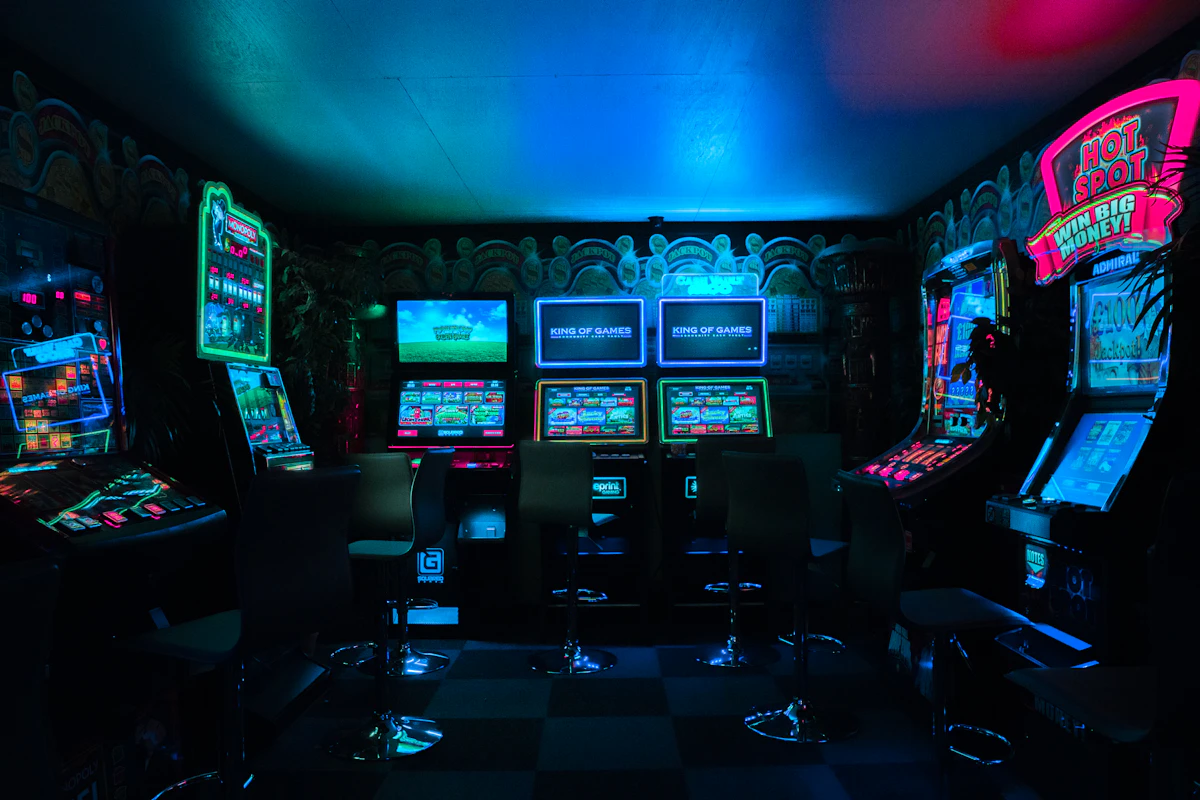
Licensium maps the Malta route from product design to an auditable launch.
Ownership, AML/CFT, technical and player-protection evidence are prepared as one file.

A bankable structure keeps regulatory, payment and commercial assumptions aligned.

Ongoing monitoring turns policies into evidence that management can actually use.
Common Questions
Frequently Asked Questions
Direct, business-focused answers to the regulatory questions we handle for digital asset founders every day.
Does a gambling licence allow worldwide operation?
No. A licence is permission within a defined legal framework, not a universal passport. Operators must screen target markets, respect local prohibitions and use geo-blocking, marketing and terms that match the approved model.
Can a crypto casino use the same application as a fiat sportsbook?
The group may be structured together, but the application must explain each product, asset and risk. Crypto adds wallet screening, source-of-funds, sanctions, travel-rule and custody questions that cannot be hidden inside a generic sportsbook description.
Is local substance mandatory?
The answer depends on the jurisdiction and licence class, but reputable frameworks increasingly expect real accountability, named key people and accessible records. We identify the precise requirement and avoid selling a nominal address as a substitute for operational substance.
How should player funds be protected?
The operator should separate player balances from operating money, reconcile them frequently, control withdrawals and explain the safeguarding model in policy and platform procedures. Some regulators prescribe a specific arrangement; others assess the risk-based design.
What makes an application fail or stall?
Common causes are unexplained wealth, inconsistent ownership documents, unrealistic forecasts, generic AML policies, missing game testing, unclear target markets and a payment model that does not match the licence narrative.
Can Licensium help after the licence is granted?
Yes. We can support renewals, annual filings, AML reviews, policy updates, key-person changes, banking questionnaires, supplier onboarding and regulator correspondence as the business scales.
Are the costs on this page official fees?
No. They are planning ranges combining public fees, professional work, substance, testing and compliance technology. The authority fee schedule and the project scope must be confirmed before engagement.
Authoritative Sources & References
- Malta Gaming Authority (MGA) — official information
- FATF — Money laundering and terrorist financing risks in the gaming sector
- Licensium global gambling licensing hub
This guide is provided for general informational purposes and does not constitute legal advice. Regulations evolve — always confirm current requirements with Licensium or the relevant national regulator directly.
Get Your Malta Gambling Licensing Quote
Share a few project details. The first review is confidential and focused on feasibility.