


Many Asian jurisdictions have introduced structured regulatory frameworks for digital assets, crypto exchanges and blockchain companies. Singapore regulates crypto activity under its Payment Services Act, Hong Kong operates a dedicated Virtual Asset Service Provider (VASP) licensing regime, and the UAE has built dedicated virtual-asset regulators — VARA in Dubai and the ADGM Financial Services Regulatory Authority in Abu Dhabi. Malaysia's Labuan offers a flexible, cost-efficient regulated environment within a financial free zone, while Kazakhstan, Thailand and the Philippines are actively developing their own structured frameworks.
Asia-Pacific Digital Asset Hub · Regulated Market Access
Crypto License in Asia: VASP & Digital Asset Licensing Across Singapore, Hong Kong, UAE and Beyond
Asia is one of the most important regions for global crypto and blockchain regulation, with clear frameworks emerging across Singapore, Hong Kong, the UAE and Malaysia. Licensium structures jurisdiction selection, company formation, license application and AML/CFT compliance into one managed engagement.
6+ Regulated Hubs
Singapore, HK, UAE, Labuan & more
3–9 months
Typical licensing timeline
AML/CFT Aligned
Compliance frameworks
Institutional-Grade
Regulator reputations
Multiple License Types
Exchange, custody, broker, VASP
Regulatory briefing
Asia's Crypto Licensing Landscape: From Established Frameworks to Emerging Regimes
Obtaining a crypto license in the right Asian jurisdiction lets a business operate legally, access fast-growing crypto markets, work with regulated financial institutions, and build genuine trust with investors, banks and partners. For deep-dive guides on jurisdictions already fully built out on this site, see our dedicated Hong Kong, UAE and Labuan crypto licensing pages.
License Types Available Across Asian Jurisdictions
- Crypto Exchange License for centralized trading platforms
- Crypto Brokerage License for OTC and dealing desks
- Custody License for institutional digital-asset safekeeping
- Digital Asset Wallet License for wallet and storage providers
- Crypto Payment License for payment and remittance services
- Virtual Asset Service Provider (VASP) License covering a broad range of activities
Not sure which Asian jurisdiction fits your crypto business model?
Get Your Free Jurisdiction AssessmentJurisdiction Advantage
Why Asia Leads Global Crypto Regulation
Each Asian hub plays a distinct role in the region's crypto ecosystem. Licensium helps you match your business model to the regulator that fits it best:
Singapore — Institutional Trust
Regulated under the Payment Services Act with a strong reputation, deep fintech ecosystem and global banking access, Singapore suits institutional crypto platforms and regulated exchanges.
Hong Kong — Structured VASP Regime
A dedicated licensing regime for virtual asset service providers and exchanges gives Hong Kong strong credibility with institutional investors and regional traders.
UAE (VARA / ADGM) — Fast-Growing & Founder-Friendly
Dedicated virtual-asset regulators, clear frameworks and strong government support make the UAE one of the fastest-growing crypto jurisdictions globally.
Malaysia (Labuan) — Flexible & Cost-Efficient
A regulated financial free zone offering a flexible approach and lower setup costs, well suited to regional trading and fintech structures.
Kazakhstan — Emerging Regulated Zone
A competitive setup process and a growing blockchain ecosystem within regulated financial zones such as the AIFC.
Thailand & Philippines — Active Retail Markets
Large active retail crypto markets with regulatory frameworks still in active development, offering early-mover opportunities for well-structured entrants.
Regulatory Checklist
General Requirements Across Asian Crypto Regulators
While specific rules vary by jurisdiction, most Asian regulators expect the same core building blocks. Licensium prepares your complete file before any submission:
Corporate & Governance
- Registered legal entity in the chosen jurisdiction
- Identified, vetted shareholders and directors
- Local director or representative where required
- Physical office presence where mandated
Compliance Framework
- AML/KYC compliance system aligned with FATF standards
- Risk management framework tailored to your business activity
- Cybersecurity policies and incident-response procedures
Documentation & Capital
- Detailed business plan and financial projections
- Source of funds documentation
- Minimum capital requirements where applicable
Licensing & Banking
- Submission of the licensing application to the relevant regulator
- Regulatory review of compliance structure, ownership and business model
- Regular financial reporting once licensed
- Corporate banking or EMI account onboarding
Step-by-Step
Crypto Licensing Process in Asia
We manage every stage of the licensing journey so your team can focus on building the product:
Jurisdiction Selection
1–2 weeksWe assess your business model against each regulator's framework, banking access and licensing speed to recommend the right jurisdiction.
Company Formation
1–4 weeksWe register your legal entity in the selected jurisdiction, matched to the license type you intend to apply for.
Documentation Preparation
3–6 weeksWe prepare your business plan, AML/KYC procedures, risk management framework and cybersecurity policies.
Application Submission
1–2 weeksWe submit your complete licensing application to the relevant financial regulator.
Regulatory Review
2–6 monthsWe manage regulator correspondence, clarification requests and interviews through to a licensing decision.
License Approval & Banking Setup
OngoingOnce approved, we coordinate banking or EMI onboarding and manage your ongoing regulatory reporting calendar.
Budgeting
Crypto Licensing Costs Across Asian Jurisdictions
Costs vary significantly by jurisdiction, license type and business scope. Below are realistic total setup ranges, in EUR thousands:
Each slice represents the average estimated budget allocation (€ thousands) with full range detail on hover/tap.
| Budget Item | Est. Range (EUR) | Frequency |
|---|---|---|
|
Singapore Major Payment Institution license
One-off — MAS application, legal fees and compliance framework build-out
|
€80k – €150k | One-off |
|
Hong Kong VASP license
One-off — SFC application, capital adequacy and AML framework
|
€100k – €180k | One-off |
|
UAE (VARA / ADGM) crypto license
One-off — regulator fees, office setup and compliance documentation
|
€60k – €120k | One-off |
|
Malaysia (Labuan) digital asset license
One-off — Labuan FSA licensing and registered office setup
|
€30k – €60k | One-off |
|
Ongoing AML/CFT & compliance retainer
Annual — transaction monitoring, reporting and regulatory-update management
|
€15k – €35k | Annual |
Swipe sideways on mobile to see the full breakdown.
All figures are indicative estimates for typical 2026 crypto licensing projects and vary significantly by license scope, jurisdiction fee schedule and business complexity. Contact Licensium for a precise, fixed-fee quote.
Benchmarking
Asia's Leading Crypto Licensing Jurisdictions Compared
Founders comparing Asian crypto hubs usually shortlist these five. Here is how they compare on regulator reputation, timeline and cost:
| Jurisdiction | Regulator | License Type | Avg. Timeline | Key Strength | Est. Setup Cost |
|---|---|---|---|---|---|
 Singapore
|
Monetary Authority of Singapore (MAS) | Major Payment Institution (Digital Payment Token) | 8–12 months | Top-tier global reputation & banking access | €80k–150k |
 Hong Kong
|
Securities and Futures Commission (SFC) | Virtual Asset Service Provider (VASP) | 6–10 months | Strong institutional & capital markets access | €100k–180k |
 UAE (Dubai)
|
Virtual Assets Regulatory Authority (VARA) | VASP / Virtual Asset License | 4–7 months | Fast setup, strong government support | €60k–120k |
| Malaysia (Labuan) | Labuan Financial Services Authority (Labuan FSA) | Digital Asset Exchange / Money Broker | 4–6 months | Cost-efficient, flexible regulation | €30k–60k |
 Kazakhstan
|
Astana Financial Services Authority (AFSA) | Digital Asset Business License | 3–5 months | Emerging, competitive setup process | €25k–55k |
Swipe the table sideways to see every column. Regulator names link to the official authority website.
Figures vary with license scope, business complexity and each regulator's current fee schedule.
Average months from application submission to authorisation
Estimated total first-year setup cost, in thousands of euros
Singapore and Hong Kong carry the strongest institutional credibility in the region, but both require the most extensive compliance build-out and the longest regulatory review timelines.
The UAE offers the fastest path among the top-tier jurisdictions, backed by dedicated regulators and strong government support for blockchain businesses — see our UAE Crypto License guide for full detail.
Labuan remains the most cost-efficient regulated option for founders who need genuine licensing credibility without Singapore- or Hong Kong-level cost — read our Labuan Crypto License guide.
Kazakhstan is an emerging option worth watching as its regulatory framework matures, particularly for founders prioritizing setup speed and cost over maximum institutional prestige today.
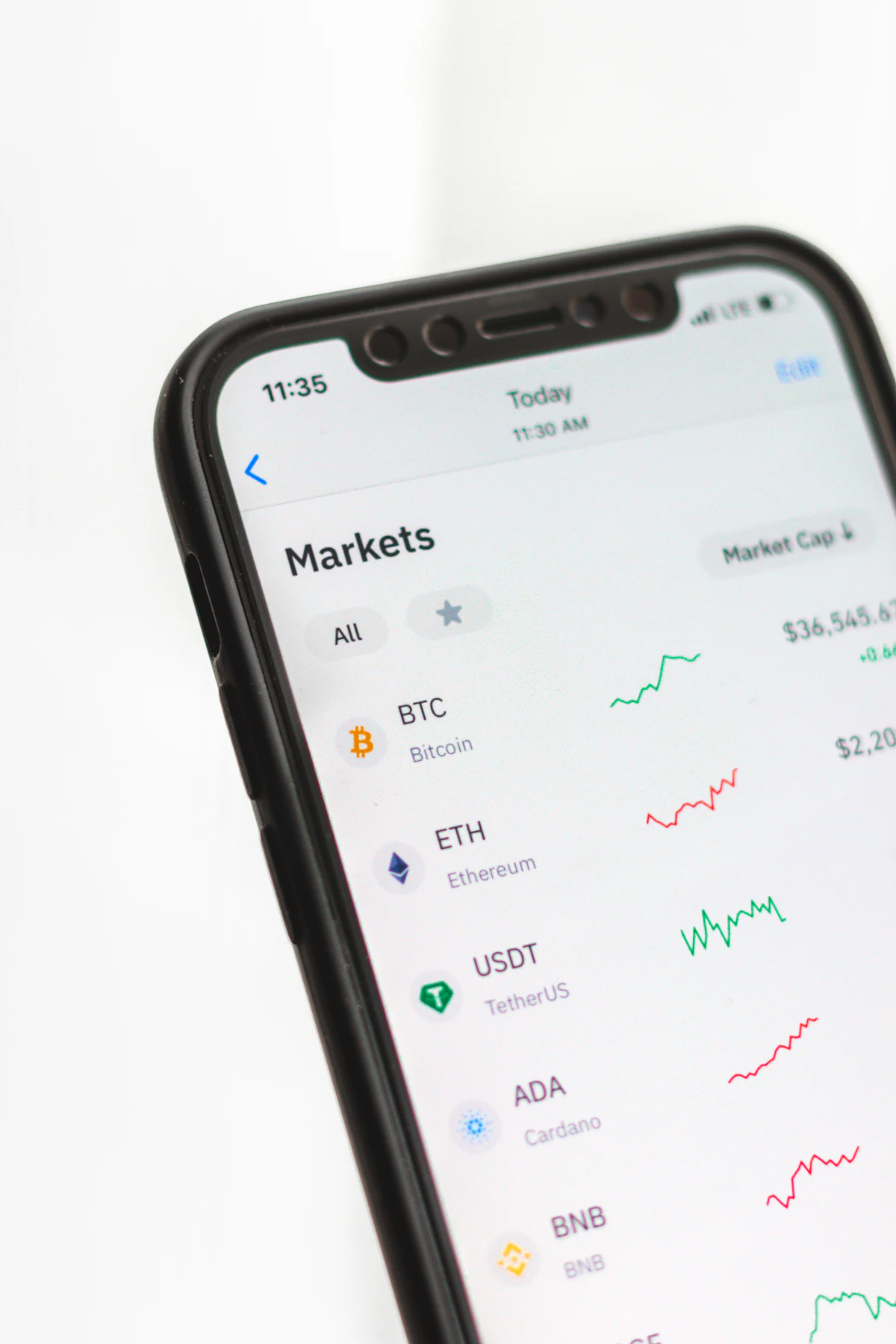
Asia is home to some of the world's most active regulated crypto markets

Singapore's Payment Services Act gives digital-asset businesses institutional-grade credibility

The UAE's dedicated virtual-asset regulators support fast, founder-friendly licensing

Licensium builds your AML/CFT framework and license application before submission
Common Questions
Frequently Asked Questions
Direct, business-focused answers to the regulatory questions we handle for digital asset founders every day.
Which Asian jurisdiction is best for a crypto exchange?
Singapore and Hong Kong offer the strongest institutional credibility for exchanges targeting global markets, while the UAE and Labuan offer faster, lower-cost routes to a regulated license.
What types of crypto licenses exist in Asia?
Depending on jurisdiction, licenses may cover crypto exchanges, brokerages, custody services, digital wallet providers, payment processors, and broader Virtual Asset Service Provider (VASP) activities.
What are the general requirements for a crypto license in Asia?
Most regulators require a registered legal entity, identified shareholders and directors, an AML/KYC compliance system, a detailed business plan, risk management framework, cybersecurity policies and source-of-funds documentation.
How do I choose the right jurisdiction?
The best jurisdiction depends on regulatory reputation, licensing speed, banking accessibility, tax framework, capital requirements and your long-term scalability plans. There is no universal best option.
How does banking work for crypto companies in Asia?
Crypto companies typically use EMI accounts for fast onboarding, crypto-friendly banks in regulated jurisdictions, or international banking solutions for cross-border operations. A well-structured compliance framework significantly improves approval chances.
Who needs a crypto license in Asia?
A license is typically required for crypto exchanges, trading platforms, wallet providers, custody services, payment processors, and blockchain companies offering financial services. Operating without a license in regulated jurisdictions may lead to restrictions or penalties.
Authoritative Sources & References
- Monetary Authority of Singapore (MAS)
- Securities and Futures Commission (SFC) — Hong Kong
- Virtual Assets Regulatory Authority (VARA) — Dubai
- Labuan Financial Services Authority (Labuan FSA)
- Astana Financial Services Authority (AFSA) — Kazakhstan
This guide is provided for general informational purposes and does not constitute legal advice. Regulations evolve — always confirm current requirements with Licensium or the relevant national regulator directly.
Get Your Personalized Asia Crypto Licensing Quote
Share a few details about your project and our team will get back to you within one business day.